Silicon EV battery breakthrough achieves 500 charge cycles, 80% life, increase energy density by up to 50%
Silicon anodes are significantly better than graphite anodes as they can store more energy. Silicon EV battery breakthrough achieves 500 charge cycles, 80% life.
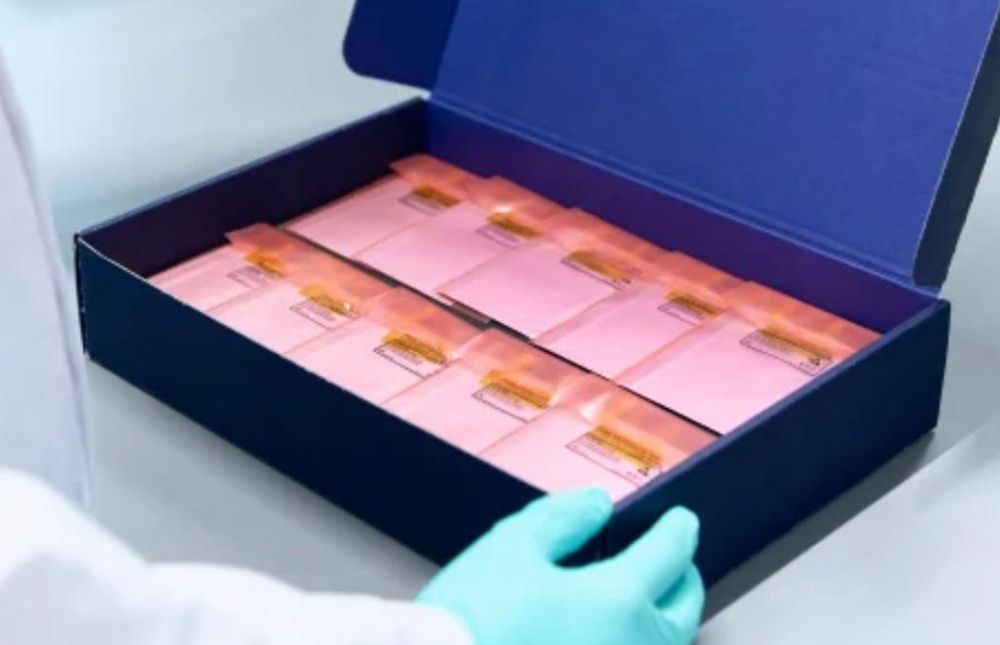 LeydenJar's breakthrough in silicon batteries
A Netherlands-based company, LeydenJar, has announced a major advancement in lithium-ion battery technology. They have successfully developed and produced batteries with a 100% silicon anode, capable of delivering 500 charge-discharge cycles without requiring external pressure.
Christian Rood, CEO of LeydenJar, expressed pride in this breakthrough, emphasizing its potential impact on the future of energy storage. This advancement could accelerate the adoption of silicon anodes in electric vehicles (EVs) and consumer electronics, addressing a key challenge that has previously limited their use.
The benefits of silicon anodes
Silicon anodes offer significant advantages over traditional graphite anodes, mainly due to their much higher energy density. Silicon can store up to 10 times more lithium ions than graphite, enabling the development of smaller, lighter batteries with higher power capacity.
For EVs, this means longer driving ranges, a crucial factor for consumers. In consumer electronics, it translates to extended battery life and improved performance for devices such as smartphones, laptops, and wearables.
Overcoming the swelling issue
One of the biggest challenges of silicon anodes has been their tendency to swell during charge-discharge cycles. This expansion can damage battery cells, leading to premature degradation and failure.
To counter this issue, researchers typically use heavy clamps to apply high external pressure on the cells to maintain their structural integrity. However, this method is impractical for applications where size and weight are critical.
LeydenJar’s unique porous architecture
LeydenJar has solved this problem by designing a 100% silicon anode with a unique porous architecture. This structure allows the silicon to expand and contract without causing internal damage, ensuring long-term stability.
“With our new silicon anode technology, external pressure is no longer required,” the company stated. Their silicon anodes have achieved 500 charge cycles while retaining 80% capacity and 700 cycles before reaching 70% capacity.
This breakthrough is the result of extensive research and innovation in the structural and morphological design of silicon anodes.
Expanding applications and future developments
Removing the need for external pressure opens up new possibilities for integrating silicon anodes into various devices. By replacing graphite with ultra-thin 100% silicon anodes, LeydenJar’s technology can increase battery energy density by up to 50%.
This means consumer devices will have longer battery life, reducing the need for frequent recharging. The company is working closely with leading battery cell manufacturers and original equipment manufacturers (OEMs) to integrate this technology into their products.
Industry advancements in silicon batteries
LeydenJar is also exploring new applications in emerging sectors, including EVs, energy storage, and wearable technology.
Recently, a US firm announced plans to develop batteries with 100% silicon anodes, replacing graphite entirely. Another US-based company, Amprius Technologies, introduced an EV battery featuring a silicon anode, capable of reaching a 90% charge in just 15 minutes.
LeydenJar's breakthrough in silicon batteries
A Netherlands-based company, LeydenJar, has announced a major advancement in lithium-ion battery technology. They have successfully developed and produced batteries with a 100% silicon anode, capable of delivering 500 charge-discharge cycles without requiring external pressure.
Christian Rood, CEO of LeydenJar, expressed pride in this breakthrough, emphasizing its potential impact on the future of energy storage. This advancement could accelerate the adoption of silicon anodes in electric vehicles (EVs) and consumer electronics, addressing a key challenge that has previously limited their use.
The benefits of silicon anodes
Silicon anodes offer significant advantages over traditional graphite anodes, mainly due to their much higher energy density. Silicon can store up to 10 times more lithium ions than graphite, enabling the development of smaller, lighter batteries with higher power capacity.
For EVs, this means longer driving ranges, a crucial factor for consumers. In consumer electronics, it translates to extended battery life and improved performance for devices such as smartphones, laptops, and wearables.
Overcoming the swelling issue
One of the biggest challenges of silicon anodes has been their tendency to swell during charge-discharge cycles. This expansion can damage battery cells, leading to premature degradation and failure.
To counter this issue, researchers typically use heavy clamps to apply high external pressure on the cells to maintain their structural integrity. However, this method is impractical for applications where size and weight are critical.
LeydenJar’s unique porous architecture
LeydenJar has solved this problem by designing a 100% silicon anode with a unique porous architecture. This structure allows the silicon to expand and contract without causing internal damage, ensuring long-term stability.
“With our new silicon anode technology, external pressure is no longer required,” the company stated. Their silicon anodes have achieved 500 charge cycles while retaining 80% capacity and 700 cycles before reaching 70% capacity.
This breakthrough is the result of extensive research and innovation in the structural and morphological design of silicon anodes.
Expanding applications and future developments
Removing the need for external pressure opens up new possibilities for integrating silicon anodes into various devices. By replacing graphite with ultra-thin 100% silicon anodes, LeydenJar’s technology can increase battery energy density by up to 50%.
This means consumer devices will have longer battery life, reducing the need for frequent recharging. The company is working closely with leading battery cell manufacturers and original equipment manufacturers (OEMs) to integrate this technology into their products.
Industry advancements in silicon batteries
LeydenJar is also exploring new applications in emerging sectors, including EVs, energy storage, and wearable technology.
Recently, a US firm announced plans to develop batteries with 100% silicon anodes, replacing graphite entirely. Another US-based company, Amprius Technologies, introduced an EV battery featuring a silicon anode, capable of reaching a 90% charge in just 15 minutes.
LeydenJar's breakthrough in silicon batteries
A Netherlands-based company, LeydenJar, has announced a major advancement in lithium-ion battery technology. They have successfully developed and produced batteries with a 100% silicon anode, capable of delivering 500 charge-discharge cycles without requiring external pressure.
Christian Rood, CEO of LeydenJar, expressed pride in this breakthrough, emphasizing its potential impact on the future of energy storage. This advancement could accelerate the adoption of silicon anodes in electric vehicles (EVs) and consumer electronics, addressing a key challenge that has previously limited their use.
The benefits of silicon anodes
Silicon anodes offer significant advantages over traditional graphite anodes, mainly due to their much higher energy density. Silicon can store up to 10 times more lithium ions than graphite, enabling the development of smaller, lighter batteries with higher power capacity.
For EVs, this means longer driving ranges, a crucial factor for consumers. In consumer electronics, it translates to extended battery life and improved performance for devices such as smartphones, laptops, and wearables.
Overcoming the swelling issue
One of the biggest challenges of silicon anodes has been their tendency to swell during charge-discharge cycles. This expansion can damage battery cells, leading to premature degradation and failure.
To counter this issue, researchers typically use heavy clamps to apply high external pressure on the cells to maintain their structural integrity. However, this method is impractical for applications where size and weight are critical.
LeydenJar’s unique porous architecture
LeydenJar has solved this problem by designing a 100% silicon anode with a unique porous architecture. This structure allows the silicon to expand and contract without causing internal damage, ensuring long-term stability.
“With our new silicon anode technology, external pressure is no longer required,” the company stated. Their silicon anodes have achieved 500 charge cycles while retaining 80% capacity and 700 cycles before reaching 70% capacity.
This breakthrough is the result of extensive research and innovation in the structural and morphological design of silicon anodes.
Expanding applications and future developments
Removing the need for external pressure opens up new possibilities for integrating silicon anodes into various devices. By replacing graphite with ultra-thin 100% silicon anodes, LeydenJar’s technology can increase battery energy density by up to 50%.
This means consumer devices will have longer battery life, reducing the need for frequent recharging. The company is working closely with leading battery cell manufacturers and original equipment manufacturers (OEMs) to integrate this technology into their products.
Industry advancements in silicon batteries
LeydenJar is also exploring new applications in emerging sectors, including EVs, energy storage, and wearable technology.
Recently, a US firm announced plans to develop batteries with 100% silicon anodes, replacing graphite entirely. Another US-based company, Amprius Technologies, introduced an EV battery featuring a silicon anode, capable of reaching a 90% charge in just 15 minutes.


Comments
Post a Comment