25 jobs AI will replace in the next 5 years: How to future-proof your career
The rapid advancement of artificial intelligence (AI) is reshaping industries and threatening traditional jobs. Over the next five years, automation and AI-driven technologies are predicted to replace roles across sectors.
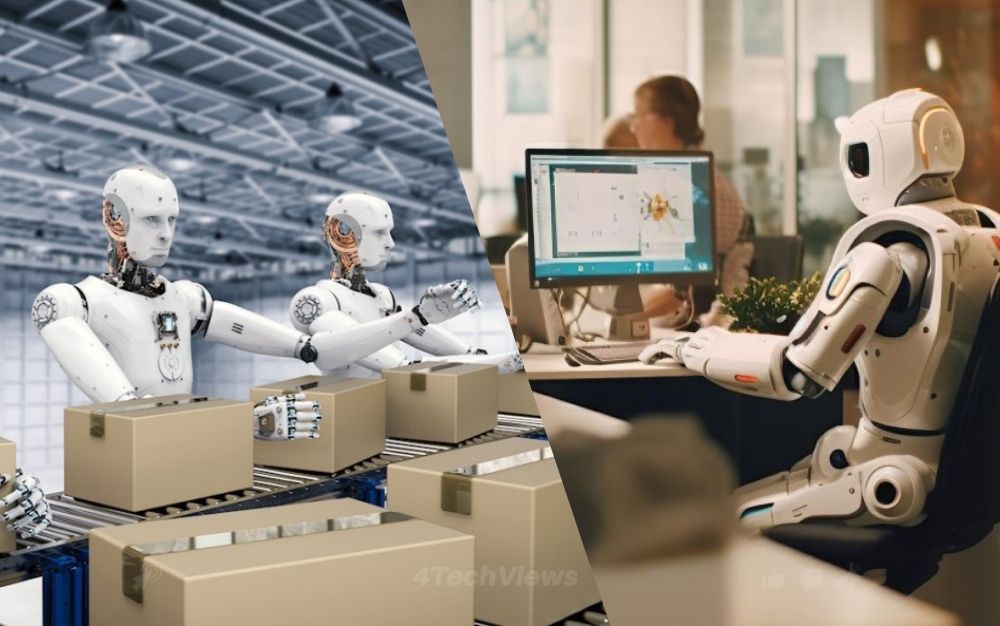 Here’s a detailed look at 25 jobs at high risk of being replaced by AI and automation in the next five years and how professionals can adapt.
1. Cashiers
Self-checkout systems and mobile payment apps like Apple Pay are reducing the need for human cashiers. To stay relevant, workers should transition into roles that focus on customer service, inventory management, or technical support for automated systems.
2. Taxi Drivers
Autonomous vehicles from companies like Tesla and Uber are set to replace traditional taxi services. Drivers can pivot to fleet management, maintenance of autonomous vehicles, or customer support roles within transportation networks.
3. Factory Workers
Robots are increasingly handling repetitive manufacturing tasks with precision. Workers should develop skills in robotics programming, equipment maintenance, or quality control to oversee automated processes.
4. Accountants
AI software such as QuickBooks automates bookkeeping and audits. Accountants should shift towards financial advising, forensic accounting, or data analysis to provide insights beyond AI’s capabilities.
5. Customer Service Representatives
Chatbots with natural language processing (NLP) now resolve routine queries instantly. Humans should focus on handling complex customer issues, crisis management, and building client relationships.
6. Data Analysts
Automated analytics tools like Power BI streamline data processing. Analysts should specialize in strategic decision-making, interpreting data within business contexts, and ethical data governance.
7. Journalists
AI-generated news articles cover financial and sports updates. Journalists should focus on investigative reporting, in-depth analysis, and human-interest storytelling that AI cannot replicate.
8. Telemarketers
AI-driven robocalls and digital marketing reduce cold-calling roles. Telemarketers can transition to customer relationship management (CRM), marketing analytics, or campaign strategy.
9. Administrative Assistants
AI scheduling and email management tools are replacing routine admin tasks. Assistants should enhance their skills in project management, executive support, and office automation systems.
10. Quality Inspectors
AI-powered cameras and sensors detect product defects faster than humans. Inspectors can shift to roles overseeing AI systems, ensuring compliance, and managing quality assurance protocols.
11. Copywriters
AI tools like ChatGPT generate marketing content. Writers should focus on refining creative strategy, brand storytelling, and high-level content editing to stay competitive.
12. Real Estate Agents
AI-driven platforms like Zillow and Redfin match buyers with properties. Agents must leverage their expertise to provide personalized service, market analysis, and negotiation strategies.
13. Tour Guides
Virtual guides and AI chatbots offer instant travel information. Human guides can thrive by creating immersive experiences, sharing cultural insights, and personalizing tours.
14. Warehouse Workers
Automation and robotics are revolutionizing inventory and logistics. Workers should gain expertise in warehouse robotics maintenance, supply chain management, or logistics coordination.
15. Bank Tellers
Mobile banking and AI chatbots handle basic transactions. Tellers should transition into financial advisory roles, fraud detection, or loan processing to maintain job relevance.
16. Retail Salespeople
E-commerce and AI-driven recommendations reduce the need for in-store staff. Sales professionals should emphasize personalized customer engagement, luxury retail consulting, and brand advocacy.
17. Lawyers
AI streamlines legal research, but human lawyers remain crucial for courtroom advocacy and negotiations. Legal professionals should focus on litigation, complex case strategy, and client interactions.
18. Translators
AI translation tools improve, but they lack cultural nuance. Human translators should specialize in legal, medical, and creative translation fields where accuracy and context are critical.
19. Teachers
AI-powered tutors personalize learning experiences. However, educators should focus on mentorship, critical thinking development, and emotional intelligence training for students.
20. Postal Workers
Drone deliveries and automated sorting systems are reshaping postal services. Workers should consider transitioning into logistics management, tech maintenance, or customer service roles in the industry.
21. Video Editors
AI automates many editing processes. Editors should shift towards creative direction, storytelling, and high-quality post-production techniques that require human judgment.
22. Photographers
AI enhances editing, but capturing emotion and artistic expression remains a human strength. Photographers should focus on artistic composition, niche photography, and visual storytelling.
23. TV Hosts
AI-generated news anchors exist, but human hosts connect emotionally with audiences. Professionals should leverage personal branding, authenticity, and live engagement skills.
24. Radio Hosts
AI-generated voices lack the authenticity of human interaction. Radio hosts should focus on audience engagement, storytelling, and interactive formats such as live talk shows.
25. Voice Actors
While AI mimics voices, it lacks emotional depth. Voice actors should emphasize unique vocal skills, emotional delivery, and adaptability in fields like animation and advertising.
Key Takeaway: AI will transform, not eliminate, most roles. Professionals must adapt by embracing technology, upskilling, and focusing on irreplaceable human skills like creativity, empathy, and strategic thinking.
"The future belongs to those who prepare today." Stay informed, agile, and ready to evolve with the AI revolution.
Call to Action: Which jobs do you think AI will impact next? Share your thoughts below! Don’t forget to subscribe for more insights on thriving in the age of automation.
Here’s a detailed look at 25 jobs at high risk of being replaced by AI and automation in the next five years and how professionals can adapt.
1. Cashiers
Self-checkout systems and mobile payment apps like Apple Pay are reducing the need for human cashiers. To stay relevant, workers should transition into roles that focus on customer service, inventory management, or technical support for automated systems.
2. Taxi Drivers
Autonomous vehicles from companies like Tesla and Uber are set to replace traditional taxi services. Drivers can pivot to fleet management, maintenance of autonomous vehicles, or customer support roles within transportation networks.
3. Factory Workers
Robots are increasingly handling repetitive manufacturing tasks with precision. Workers should develop skills in robotics programming, equipment maintenance, or quality control to oversee automated processes.
4. Accountants
AI software such as QuickBooks automates bookkeeping and audits. Accountants should shift towards financial advising, forensic accounting, or data analysis to provide insights beyond AI’s capabilities.
5. Customer Service Representatives
Chatbots with natural language processing (NLP) now resolve routine queries instantly. Humans should focus on handling complex customer issues, crisis management, and building client relationships.
6. Data Analysts
Automated analytics tools like Power BI streamline data processing. Analysts should specialize in strategic decision-making, interpreting data within business contexts, and ethical data governance.
7. Journalists
AI-generated news articles cover financial and sports updates. Journalists should focus on investigative reporting, in-depth analysis, and human-interest storytelling that AI cannot replicate.
8. Telemarketers
AI-driven robocalls and digital marketing reduce cold-calling roles. Telemarketers can transition to customer relationship management (CRM), marketing analytics, or campaign strategy.
9. Administrative Assistants
AI scheduling and email management tools are replacing routine admin tasks. Assistants should enhance their skills in project management, executive support, and office automation systems.
10. Quality Inspectors
AI-powered cameras and sensors detect product defects faster than humans. Inspectors can shift to roles overseeing AI systems, ensuring compliance, and managing quality assurance protocols.
11. Copywriters
AI tools like ChatGPT generate marketing content. Writers should focus on refining creative strategy, brand storytelling, and high-level content editing to stay competitive.
12. Real Estate Agents
AI-driven platforms like Zillow and Redfin match buyers with properties. Agents must leverage their expertise to provide personalized service, market analysis, and negotiation strategies.
13. Tour Guides
Virtual guides and AI chatbots offer instant travel information. Human guides can thrive by creating immersive experiences, sharing cultural insights, and personalizing tours.
14. Warehouse Workers
Automation and robotics are revolutionizing inventory and logistics. Workers should gain expertise in warehouse robotics maintenance, supply chain management, or logistics coordination.
15. Bank Tellers
Mobile banking and AI chatbots handle basic transactions. Tellers should transition into financial advisory roles, fraud detection, or loan processing to maintain job relevance.
16. Retail Salespeople
E-commerce and AI-driven recommendations reduce the need for in-store staff. Sales professionals should emphasize personalized customer engagement, luxury retail consulting, and brand advocacy.
17. Lawyers
AI streamlines legal research, but human lawyers remain crucial for courtroom advocacy and negotiations. Legal professionals should focus on litigation, complex case strategy, and client interactions.
18. Translators
AI translation tools improve, but they lack cultural nuance. Human translators should specialize in legal, medical, and creative translation fields where accuracy and context are critical.
19. Teachers
AI-powered tutors personalize learning experiences. However, educators should focus on mentorship, critical thinking development, and emotional intelligence training for students.
20. Postal Workers
Drone deliveries and automated sorting systems are reshaping postal services. Workers should consider transitioning into logistics management, tech maintenance, or customer service roles in the industry.
21. Video Editors
AI automates many editing processes. Editors should shift towards creative direction, storytelling, and high-quality post-production techniques that require human judgment.
22. Photographers
AI enhances editing, but capturing emotion and artistic expression remains a human strength. Photographers should focus on artistic composition, niche photography, and visual storytelling.
23. TV Hosts
AI-generated news anchors exist, but human hosts connect emotionally with audiences. Professionals should leverage personal branding, authenticity, and live engagement skills.
24. Radio Hosts
AI-generated voices lack the authenticity of human interaction. Radio hosts should focus on audience engagement, storytelling, and interactive formats such as live talk shows.
25. Voice Actors
While AI mimics voices, it lacks emotional depth. Voice actors should emphasize unique vocal skills, emotional delivery, and adaptability in fields like animation and advertising.
Key Takeaway: AI will transform, not eliminate, most roles. Professionals must adapt by embracing technology, upskilling, and focusing on irreplaceable human skills like creativity, empathy, and strategic thinking.
"The future belongs to those who prepare today." Stay informed, agile, and ready to evolve with the AI revolution.
Call to Action: Which jobs do you think AI will impact next? Share your thoughts below! Don’t forget to subscribe for more insights on thriving in the age of automation.
Here’s a detailed look at 25 jobs at high risk of being replaced by AI and automation in the next five years and how professionals can adapt.
1. Cashiers
Self-checkout systems and mobile payment apps like Apple Pay are reducing the need for human cashiers. To stay relevant, workers should transition into roles that focus on customer service, inventory management, or technical support for automated systems.
2. Taxi Drivers
Autonomous vehicles from companies like Tesla and Uber are set to replace traditional taxi services. Drivers can pivot to fleet management, maintenance of autonomous vehicles, or customer support roles within transportation networks.
3. Factory Workers
Robots are increasingly handling repetitive manufacturing tasks with precision. Workers should develop skills in robotics programming, equipment maintenance, or quality control to oversee automated processes.
4. Accountants
AI software such as QuickBooks automates bookkeeping and audits. Accountants should shift towards financial advising, forensic accounting, or data analysis to provide insights beyond AI’s capabilities.
5. Customer Service Representatives
Chatbots with natural language processing (NLP) now resolve routine queries instantly. Humans should focus on handling complex customer issues, crisis management, and building client relationships.
6. Data Analysts
Automated analytics tools like Power BI streamline data processing. Analysts should specialize in strategic decision-making, interpreting data within business contexts, and ethical data governance.
7. Journalists
AI-generated news articles cover financial and sports updates. Journalists should focus on investigative reporting, in-depth analysis, and human-interest storytelling that AI cannot replicate.
8. Telemarketers
AI-driven robocalls and digital marketing reduce cold-calling roles. Telemarketers can transition to customer relationship management (CRM), marketing analytics, or campaign strategy.
9. Administrative Assistants
AI scheduling and email management tools are replacing routine admin tasks. Assistants should enhance their skills in project management, executive support, and office automation systems.
10. Quality Inspectors
AI-powered cameras and sensors detect product defects faster than humans. Inspectors can shift to roles overseeing AI systems, ensuring compliance, and managing quality assurance protocols.
11. Copywriters
AI tools like ChatGPT generate marketing content. Writers should focus on refining creative strategy, brand storytelling, and high-level content editing to stay competitive.
12. Real Estate Agents
AI-driven platforms like Zillow and Redfin match buyers with properties. Agents must leverage their expertise to provide personalized service, market analysis, and negotiation strategies.
13. Tour Guides
Virtual guides and AI chatbots offer instant travel information. Human guides can thrive by creating immersive experiences, sharing cultural insights, and personalizing tours.
14. Warehouse Workers
Automation and robotics are revolutionizing inventory and logistics. Workers should gain expertise in warehouse robotics maintenance, supply chain management, or logistics coordination.
15. Bank Tellers
Mobile banking and AI chatbots handle basic transactions. Tellers should transition into financial advisory roles, fraud detection, or loan processing to maintain job relevance.
16. Retail Salespeople
E-commerce and AI-driven recommendations reduce the need for in-store staff. Sales professionals should emphasize personalized customer engagement, luxury retail consulting, and brand advocacy.
17. Lawyers
AI streamlines legal research, but human lawyers remain crucial for courtroom advocacy and negotiations. Legal professionals should focus on litigation, complex case strategy, and client interactions.
18. Translators
AI translation tools improve, but they lack cultural nuance. Human translators should specialize in legal, medical, and creative translation fields where accuracy and context are critical.
19. Teachers
AI-powered tutors personalize learning experiences. However, educators should focus on mentorship, critical thinking development, and emotional intelligence training for students.
20. Postal Workers
Drone deliveries and automated sorting systems are reshaping postal services. Workers should consider transitioning into logistics management, tech maintenance, or customer service roles in the industry.
21. Video Editors
AI automates many editing processes. Editors should shift towards creative direction, storytelling, and high-quality post-production techniques that require human judgment.
22. Photographers
AI enhances editing, but capturing emotion and artistic expression remains a human strength. Photographers should focus on artistic composition, niche photography, and visual storytelling.
23. TV Hosts
AI-generated news anchors exist, but human hosts connect emotionally with audiences. Professionals should leverage personal branding, authenticity, and live engagement skills.
24. Radio Hosts
AI-generated voices lack the authenticity of human interaction. Radio hosts should focus on audience engagement, storytelling, and interactive formats such as live talk shows.
25. Voice Actors
While AI mimics voices, it lacks emotional depth. Voice actors should emphasize unique vocal skills, emotional delivery, and adaptability in fields like animation and advertising.
Key Takeaway: AI will transform, not eliminate, most roles. Professionals must adapt by embracing technology, upskilling, and focusing on irreplaceable human skills like creativity, empathy, and strategic thinking.
"The future belongs to those who prepare today." Stay informed, agile, and ready to evolve with the AI revolution.
Call to Action: Which jobs do you think AI will impact next? Share your thoughts below! Don’t forget to subscribe for more insights on thriving in the age of automation.


Comments
Post a Comment