Google acquires Wiz in $32B cybersecurity deal, Wiz's founders will each earn over $3B
Google has officially acquired cybersecurity company Wiz for $32 billion, marking the largest cybersecurity deal in history. This acquisition is set to enhance Google's security capabilities amid the growing threats in the industry and the rise of generative AI.
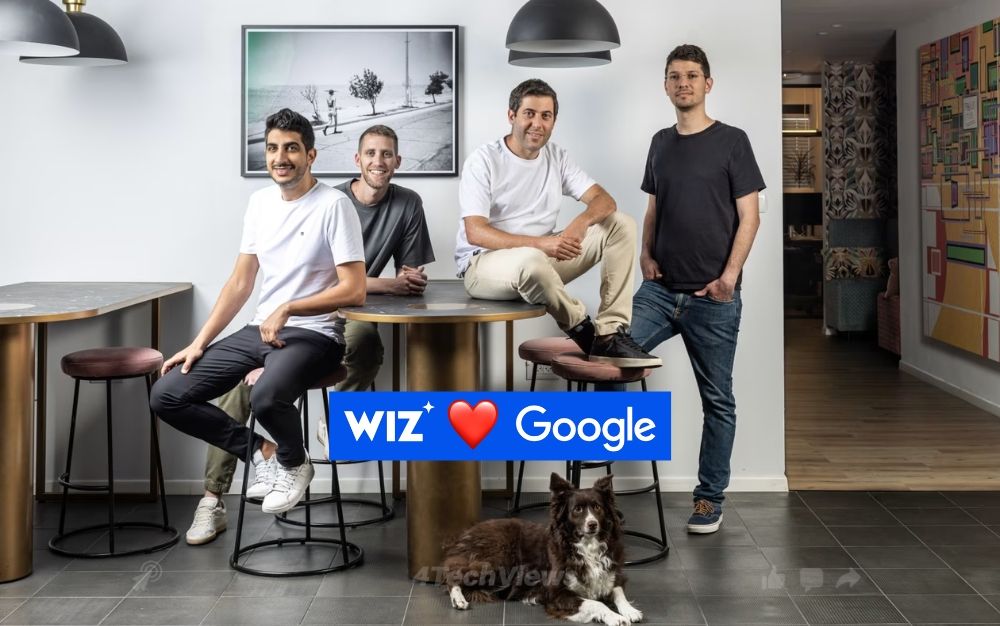 The founders behind Wiz
Wiz was founded by former members of Israel's elite cyber-intelligence Unit 8200. According to sources familiar with the matter, each co-founder will receive over $3 billion from the sale.
In a statement, Wiz expressed excitement over joining Google Cloud, emphasizing that the deal is still subject to regulatory review. "Today we have reached yet another milestone on our journey. The deal is subject to regulatory review, and Wiz will join Google Cloud after close," the company stated.
Wiz's journey to success
Five years ago, the co-founders of Wiz set out on a mission to revolutionize cloud security. They aimed to create a platform that both security and development teams would love, with a vision to protect everything organizations build and run in the cloud.
Listening to customer needs has been at the heart of Wiz's success. "Customer adoption of our platform, from enterprises to startups to the public sector, has grown at an incredible pace," Wiz said. Their solutions extend across multiple cloud platforms, covering risk management, the development lifecycle, and threat prevention.
Why Google acquired Wiz
Recently, Alphabet has entered advanced negotiations to acquire Israeli cybersecurity company Wiz for over $30 billion, marking its largest acquisition. The deal aims to expand cloud security but may face regulatory scrutiny.
Google Cloud and Wiz share a common vision: making cloud security more accessible, intelligent, and effective. Both companies believe that cybersecurity should be easier to adopt and implement, ensuring organizations can securely embrace cloud and AI technologies.
On its blog, Wiz officially announced its acquisition by Google Cloud and will remain a multicloud platform, continuing to work with AWS, Azure, Oracle, and other cloud providers. Despite being acquired by Google, Wiz will maintain its collaborations across the industry.
The impact of this acquisition
The acquisition is expected to accelerate Wiz's innovation. "Becoming part of Google Cloud is effectively strapping a rocket to our backs: it will accelerate our rate of innovation faster than what we could achieve as a standalone company," Wiz stated.
Google Cloud has been a pioneer in cloud security and AI development. It introduced Zero Trust and Supply-chain Levels for Software Artifacts (SLSA), key innovations in modern cybersecurity. Kubernetes, one of the most widely used cloud-native technologies today, was also created by Google Cloud.
Benefits for customers, partners, and employees
The acquisition will bring significant benefits to key stakeholders:
The founders behind Wiz
Wiz was founded by former members of Israel's elite cyber-intelligence Unit 8200. According to sources familiar with the matter, each co-founder will receive over $3 billion from the sale.
In a statement, Wiz expressed excitement over joining Google Cloud, emphasizing that the deal is still subject to regulatory review. "Today we have reached yet another milestone on our journey. The deal is subject to regulatory review, and Wiz will join Google Cloud after close," the company stated.
Wiz's journey to success
Five years ago, the co-founders of Wiz set out on a mission to revolutionize cloud security. They aimed to create a platform that both security and development teams would love, with a vision to protect everything organizations build and run in the cloud.
Listening to customer needs has been at the heart of Wiz's success. "Customer adoption of our platform, from enterprises to startups to the public sector, has grown at an incredible pace," Wiz said. Their solutions extend across multiple cloud platforms, covering risk management, the development lifecycle, and threat prevention.
Why Google acquired Wiz
Recently, Alphabet has entered advanced negotiations to acquire Israeli cybersecurity company Wiz for over $30 billion, marking its largest acquisition. The deal aims to expand cloud security but may face regulatory scrutiny.
Google Cloud and Wiz share a common vision: making cloud security more accessible, intelligent, and effective. Both companies believe that cybersecurity should be easier to adopt and implement, ensuring organizations can securely embrace cloud and AI technologies.
On its blog, Wiz officially announced its acquisition by Google Cloud and will remain a multicloud platform, continuing to work with AWS, Azure, Oracle, and other cloud providers. Despite being acquired by Google, Wiz will maintain its collaborations across the industry.
The impact of this acquisition
The acquisition is expected to accelerate Wiz's innovation. "Becoming part of Google Cloud is effectively strapping a rocket to our backs: it will accelerate our rate of innovation faster than what we could achieve as a standalone company," Wiz stated.
Google Cloud has been a pioneer in cloud security and AI development. It introduced Zero Trust and Supply-chain Levels for Software Artifacts (SLSA), key innovations in modern cybersecurity. Kubernetes, one of the most widely used cloud-native technologies today, was also created by Google Cloud.
Benefits for customers, partners, and employees
The acquisition will bring significant benefits to key stakeholders:
The founders behind Wiz
Wiz was founded by former members of Israel's elite cyber-intelligence Unit 8200. According to sources familiar with the matter, each co-founder will receive over $3 billion from the sale.
In a statement, Wiz expressed excitement over joining Google Cloud, emphasizing that the deal is still subject to regulatory review. "Today we have reached yet another milestone on our journey. The deal is subject to regulatory review, and Wiz will join Google Cloud after close," the company stated.
Wiz's journey to success
Five years ago, the co-founders of Wiz set out on a mission to revolutionize cloud security. They aimed to create a platform that both security and development teams would love, with a vision to protect everything organizations build and run in the cloud.
Listening to customer needs has been at the heart of Wiz's success. "Customer adoption of our platform, from enterprises to startups to the public sector, has grown at an incredible pace," Wiz said. Their solutions extend across multiple cloud platforms, covering risk management, the development lifecycle, and threat prevention.
Why Google acquired Wiz
Recently, Alphabet has entered advanced negotiations to acquire Israeli cybersecurity company Wiz for over $30 billion, marking its largest acquisition. The deal aims to expand cloud security but may face regulatory scrutiny.
Google Cloud and Wiz share a common vision: making cloud security more accessible, intelligent, and effective. Both companies believe that cybersecurity should be easier to adopt and implement, ensuring organizations can securely embrace cloud and AI technologies.
On its blog, Wiz officially announced its acquisition by Google Cloud and will remain a multicloud platform, continuing to work with AWS, Azure, Oracle, and other cloud providers. Despite being acquired by Google, Wiz will maintain its collaborations across the industry.
The impact of this acquisition
The acquisition is expected to accelerate Wiz's innovation. "Becoming part of Google Cloud is effectively strapping a rocket to our backs: it will accelerate our rate of innovation faster than what we could achieve as a standalone company," Wiz stated.
Google Cloud has been a pioneer in cloud security and AI development. It introduced Zero Trust and Supply-chain Levels for Software Artifacts (SLSA), key innovations in modern cybersecurity. Kubernetes, one of the most widely used cloud-native technologies today, was also created by Google Cloud.
Benefits for customers, partners, and employees
The acquisition will bring significant benefits to key stakeholders:
- Customers: Wiz will integrate with Google Cloud’s leading security, data, and AI solutions, offering more robust protection across major cloud environments.
- Partners: Wiz’s commitment to openness remains, providing organizations with an even stronger reason to adopt its platform.
- Employees: Wiz’s team of experts will join forces with Google’s top minds, further advancing cybersecurity innovation.


Comments
Post a Comment