Meta tried to lure OpenAI staff with huge bonuses, Altman says
In a recent podcast appearance, OpenAI CEO Sam Altman revealed that Meta attempted to poach some of his company’s top AI engineers. The offers? Signing bonuses up to $100 million and even higher total compensation packages.
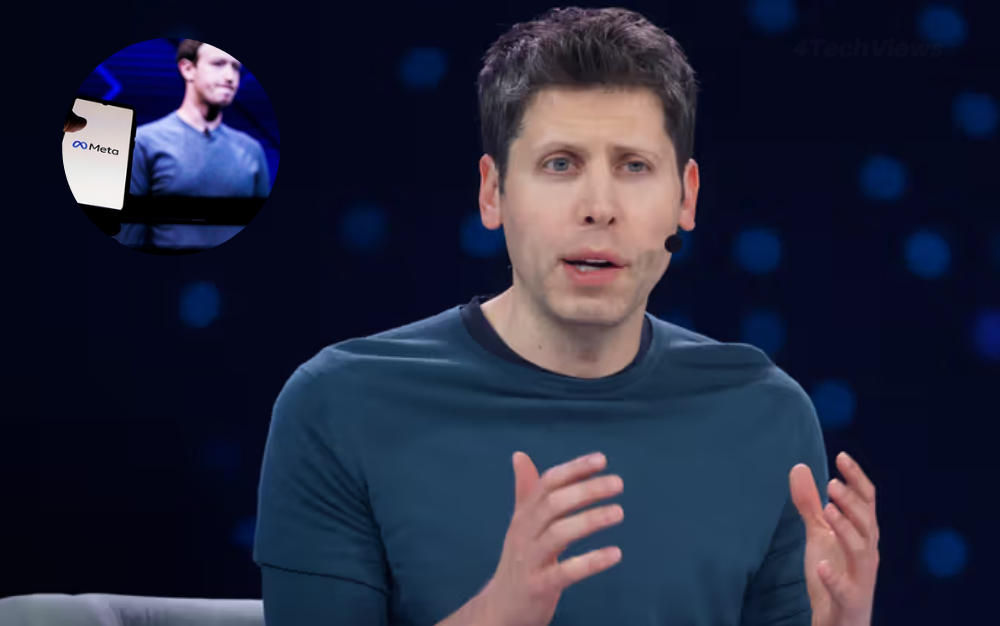
Speaking on “Uncapped,” a podcast hosted by his brother, Altman said, “so far none of our best people have decided to take them up on that.” He noted that Meta sees OpenAI as a major competitor, especially as its own artificial intelligence efforts haven’t yielded the breakthroughs it hoped for.
Why Meta is aggressively chasing AI leadership
Meta CEO Mark Zuckerberg is reportedly assembling a top-tier AI team to lead its “superintelligence” lab. His company has poured enormous resources into Meta AI, the division behind its Llama series of open-source large language models.
But there have been setbacks. Meta recently delayed the launch of its next-generation AI model, raising concerns about its current direction. Some reports suggest that frustration at the executive level is growing, prompting Zuckerberg to consider bold bets on outside talent.
“I've heard that Meta thinks of us as their biggest competitor,” Altman said on the podcast. “I respect being aggressive and continuing to try new things.”
The Scale AI acquisition and the rise of superintelligence labs
One of Meta’s most notable moves was the acquisition of a 49% stake in Scale AI, a major data-labeling company. The $14.3 billion investment also brought over Alexandr Wang, Scale AI’s founder, along with a few key employees. Wang will reportedly lead a lab dedicated to developing superintelligence—an AI that surpasses human intelligence.
Zuckerberg has also helped recruit other industry experts, including Jack Rae from Google DeepMind. According to Bloomberg, Zuckerberg has taken a hands-on role in these recruitment efforts.
OpenAI’s take on the culture clash
Altman cautioned that massive upfront payments might not be the best way to build long-term innovation. “You're always going to where your competitor was, and you don't build up a culture of learning what it’s like to innovate,” he said.
Instead, he argued, a mission-driven environment beats big checks. “That basically never works,” he continued, referring to copying competitors. It’s a pointed critique aimed squarely at Meta’s aggressive compensation strategy.
Meta’s impact on open-source AI
Despite criticism, some experts defend Meta’s contribution to the AI ecosystem. Daniel Newman, CEO of Futurum Group, told CNBC, “They basically built the rails for open source AI development, and so much of what is happening in AI is being built on Meta.”
Llama, Meta’s open-source language model, has enabled widespread experimentation and third-party development. The company's continued investments in open AI platforms show it isn’t backing down from the AI race.
A race defined by people, not just algorithms
As the AI arms race intensifies, talent is emerging as the single most valuable asset. Both OpenAI and Meta understand this, but they are playing by very different rules. Whether mission or money wins out remains to be seen, but one thing is clear: the competition is only heating up.


Comments
Post a Comment