Top essential solar gadgets for modern living every modern home should consider
The moment most people start caring about solar gadgets isn’t ideological. It’s practical. A phone dies during a long train ride. A storm knocks out power for hours. A garden feels unsafe at night because running electrical wiring is expensive.

Solar gadgets enter the story not as environmental statements, but as quiet solutions. Whether you live in a city apartment in Europe, a suburban home in North America, or a rural area where power stability is unpredictable, the appeal is the same: reliable energy without depending entirely on the grid.
Solar technology has matured. It’s no longer experimental or fragile. Modern solar gadgets are compact, affordable, and designed to blend into everyday life. They don’t require rooftop installations or major investments. They simply harvest available light—something most regions receive in abundance—and convert it into practical power. From portable chargers to smart home sensors, these devices are less about futuristic living and more about making modern life slightly more resilient.
Why solar gadgets remain timeless
Trends in technology move quickly, but basic needs rarely change. We always need power, lighting, communication, and security. Solar gadgets endure because they address these constant needs in a flexible way. They work in cities, suburbs, remote villages, and off-grid cabins. They don’t depend on infrastructure upgrades or subscription services. Once purchased, they continue providing value for years with minimal maintenance.
Globally, energy prices fluctuate, extreme weather events increase, and digital dependence grows. Solar gadgets act as a buffer against those uncertainties. They are not replacements for traditional energy systems, but they reduce vulnerability. That universal practicality makes them evergreen. They are as relevant for a family in Australia facing heat waves as for a European homeowner trying to lower energy bills or a traveler exploring remote landscapes.
1. Portable solar chargers: small device, big reassurance
Portable solar chargers are often underestimated—until the moment they become essential. They convert sunlight into usable electricity for smartphones, tablets, cameras, and other small electronics. For travelers, hikers, festival-goers, and digital nomads, this independence is invaluable. Even in urban settings, a solar charger can provide backup power during transit delays or sudden outages.
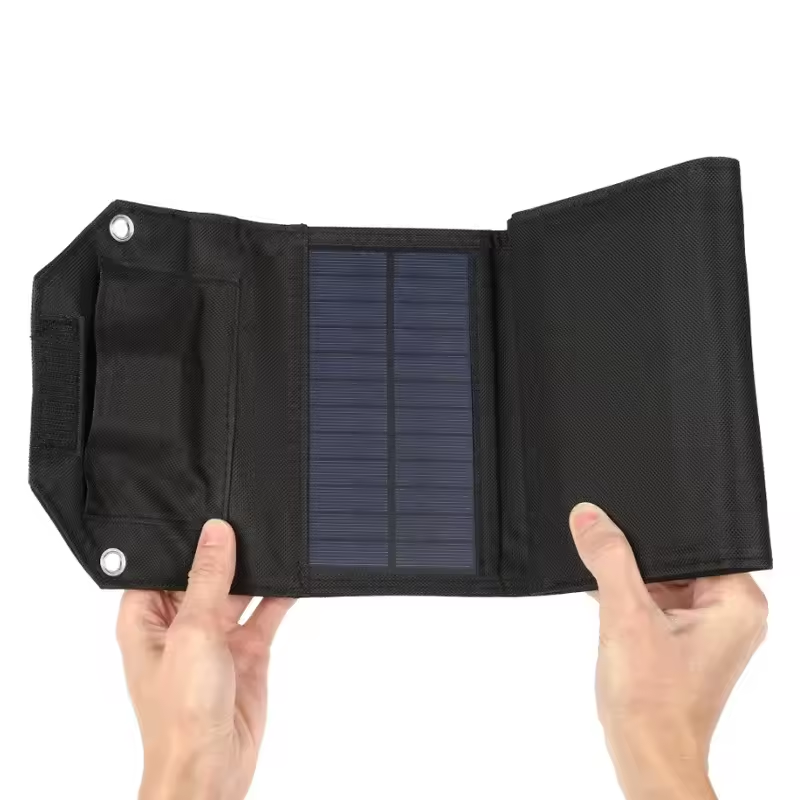
Folding Bag Battery Charger for Phone Outdoor Camping Waterproof Power Bank
What makes them enduringly popular is not speed, but security. You may not rely on them every day, but when conventional power is unavailable, they step in quietly. Modern versions are foldable, lightweight, and efficient enough to generate energy even in partial sunlight. In regions where electricity supply can be inconsistent, they provide daily reassurance. In more stable regions, they serve as reliable emergency companions. Either way, their simplicity is their strength.
Over time, improvements in solar panel efficiency and battery integration have made these chargers more practical. They are no longer slow novelty items. Many now include fast-charging ports and durable weather-resistant designs. They fit into backpacks, car kits, and emergency drawers without taking much space. That versatility ensures they remain relevant across lifestyles and continents.
2. Solar lighting systems: effortless illumination
Solar lighting systems are among the most accessible upgrades for any home. They require no wiring, no drilling into interior walls, and no electricity bills. From garden path lights to motion-activated security lamps, solar lighting provides immediate results. Installation often takes minutes, yet the impact on safety and ambiance is noticeable from the first night.
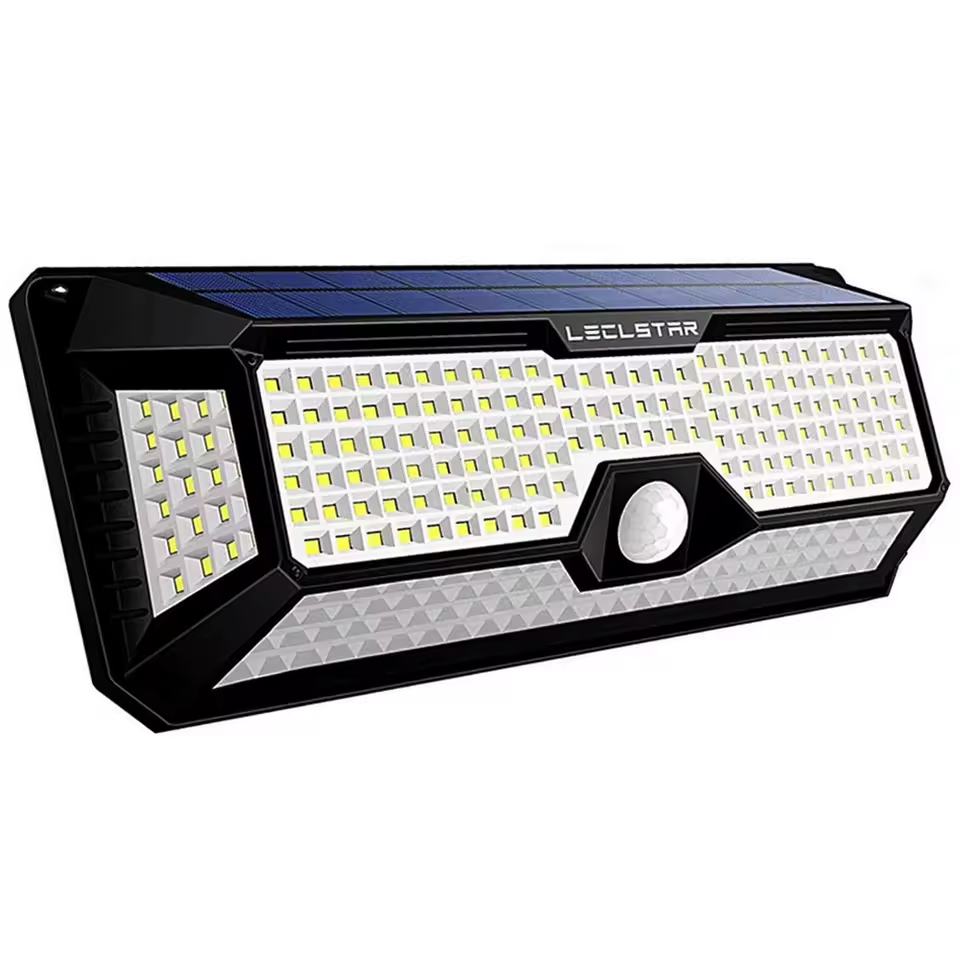
Solar Outdoor Lights - 268 LED Security Lights with 4 Wide Angle, Waterproof 3 Modes Motion Sensor Lights for Outdoor
In areas with high electricity costs, solar lighting reduces ongoing expenses. In regions where grid reliability is uncertain, it provides consistent nighttime visibility. Even in well-developed urban neighborhoods, solar lights offer convenience. They automatically charge during the day and illuminate at dusk, requiring no manual operation.
Technological improvements have strengthened their reliability. Modern solar lights use more durable batteries and intelligent sensors to adjust brightness. They can withstand rain, snow, and heat, making them suitable for diverse climates. What makes them evergreen is their universal appeal: everyone benefits from better lighting. Whether for security, decoration, or simple functionality, solar lighting systems consistently deliver practical value.
3. Solar wearables and trackers: reducing invisible friction
Wearable technology has become part of daily life. Fitness trackers, smartwatches, and outdoor navigation devices help people monitor health, track workouts, and explore new environments. However, frequent charging remains a common frustration. Solar-assisted wearables address this subtle inconvenience by extending battery life through exposure to natural or ambient light.
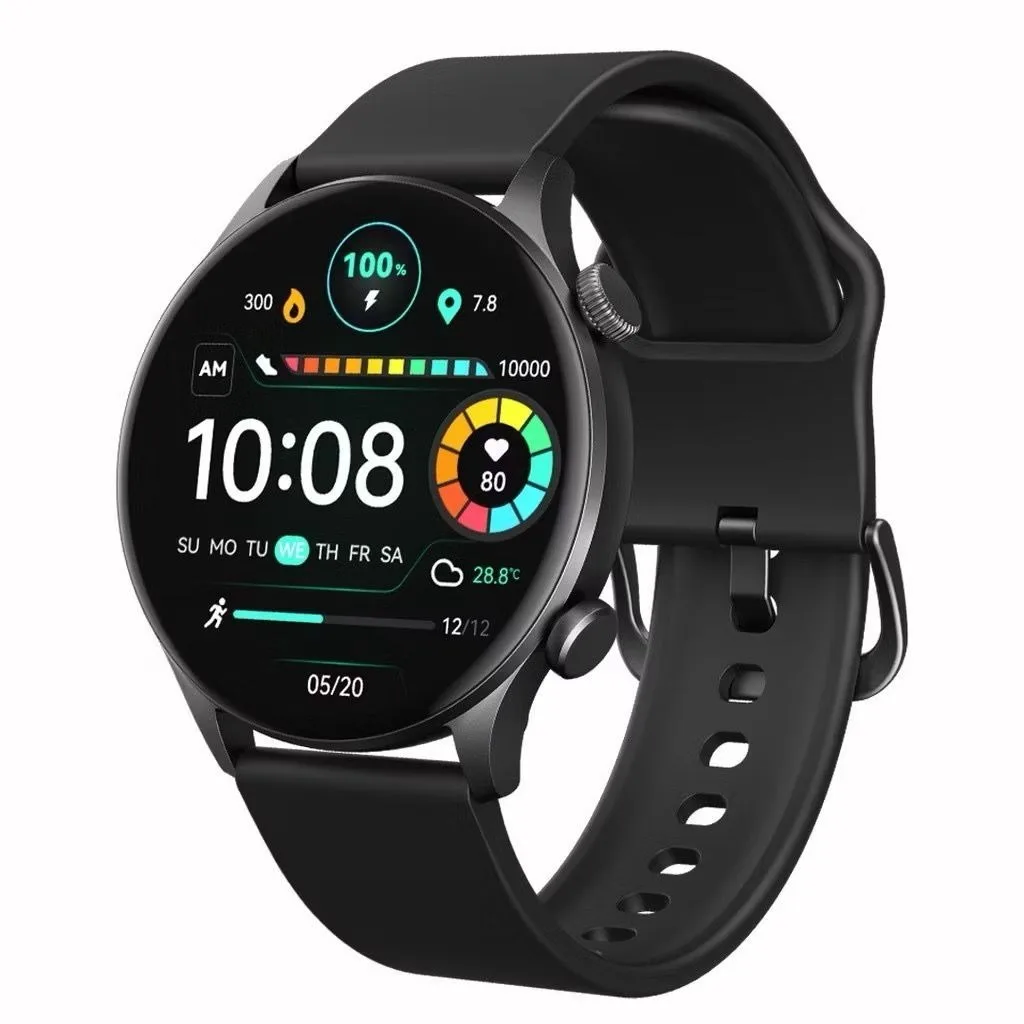
Haylou Solar plus Smartwatch 1.43" AMOLED Bluetooth Phone Call Capability IP68 Waterproof Sports Smart Watch
The advantage may seem small at first, but over time it becomes significant. Fewer charging cycles mean fewer interruptions and longer battery lifespan. For hikers, athletes, and frequent travelers, solar wearables provide an extra layer of reliability. In remote areas, that extended power can make a meaningful difference.
These devices succeed not because they radically change functionality, but because they enhance endurance. As wearable technology continues to evolve, sustainability and longevity become increasingly important. Solar integration feels like a logical progression. It aligns with a broader global shift toward efficiency—making devices that last longer rather than simply adding more features.
4. Smart solar sensors: sustainable security
Smart home technology is expanding worldwide, from doorbell cameras to leak detectors and environmental monitors. Yet one recurring challenge remains: maintenance. Replacing batteries in multiple sensors scattered throughout a property can become tedious. Solar-powered sensors solve this issue by maintaining their own energy supply.
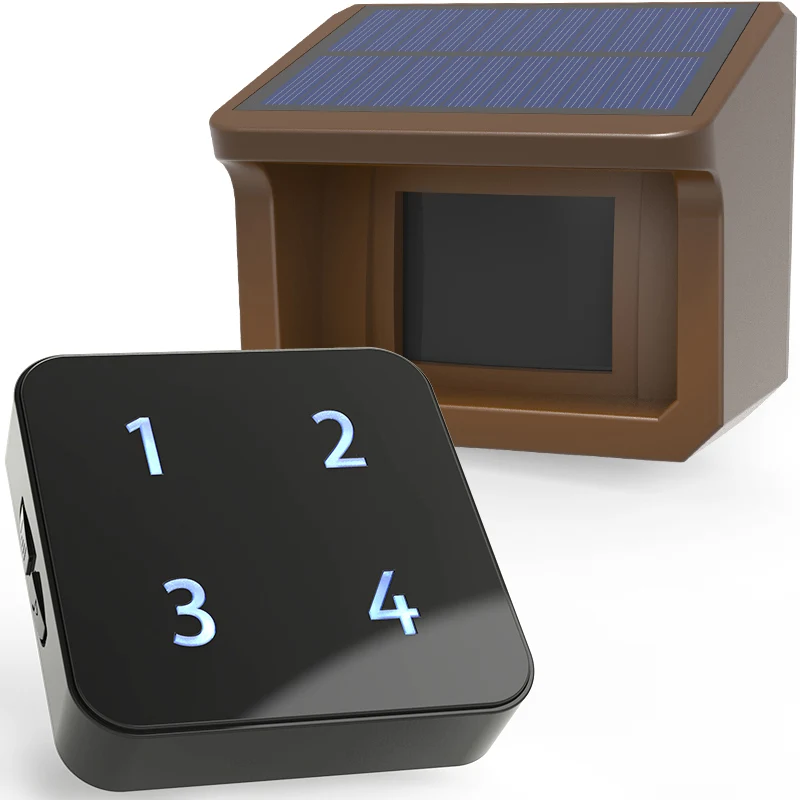
Solar Wireless Driveway Alarm Outdoor Weather-Resistant Motion Sensor&Detector DIY Security Alert System
Installed outdoors or near natural light, these devices recharge automatically. They continue monitoring entrances, detecting motion, or sensing water leaks without frequent intervention. In regions prone to storms or outages, this autonomy becomes especially valuable. Security systems that remain operational during power disruptions provide both practical and psychological reassurance.
The long-term appeal of smart solar sensors lies in reliability. They combine automation with sustainability. As more households adopt connected devices, energy efficiency becomes a consideration alongside convenience. Solar sensors offer both. They reduce waste from disposable batteries while enhancing resilience. This balance ensures their ongoing relevance in both developed and developing markets.
5. Portable solar power stations: independence in a box
Portable solar power stations represent the most comprehensive application of consumer solar technology. These units store significant amounts of electricity and can power multiple devices simultaneously—from laptops and routers to small appliances and medical equipment. When paired with solar panels, they offer a flexible off-grid solution.
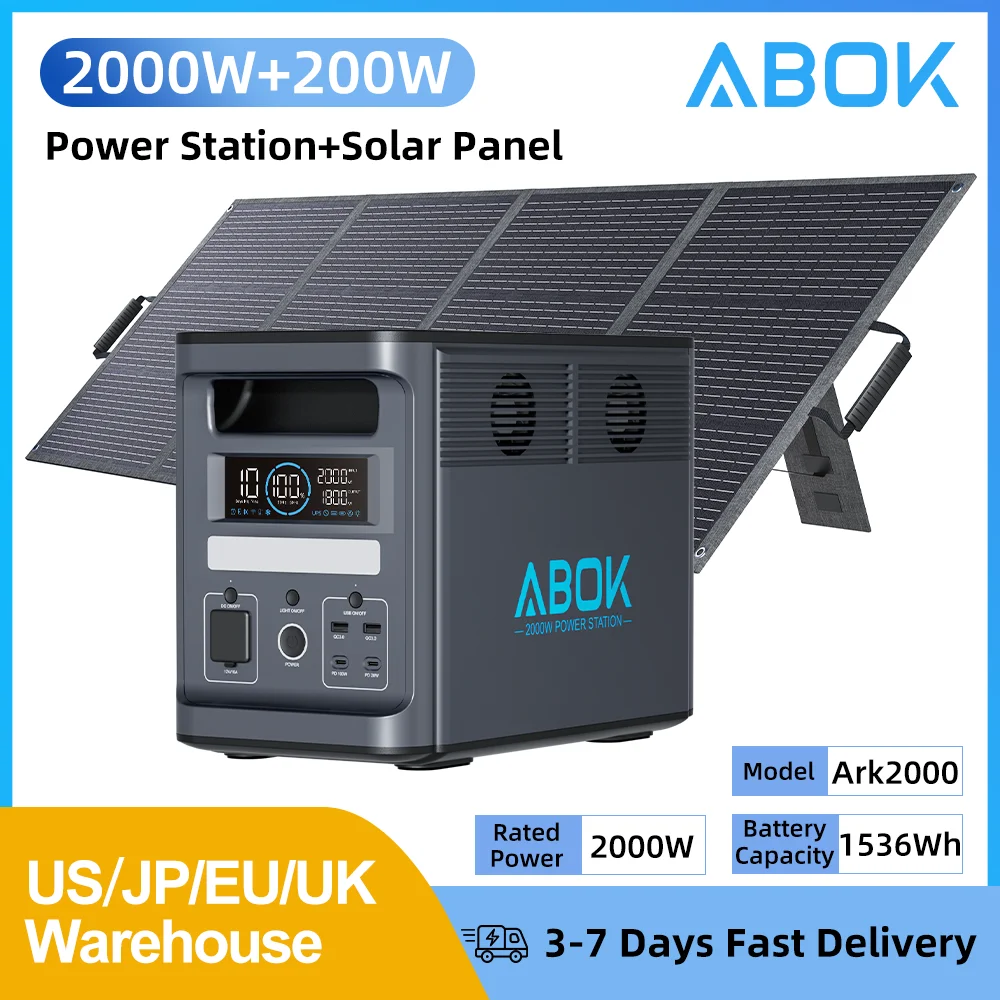
ABOK Ark2000 Portable Power Station with 200W panel 2000W 1536Wh Solar Generator for Road Trip Off-grid Power Outage UPS Camping
For households facing occasional outages, they provide backup energy without the noise or fuel requirements of traditional generators. For outdoor enthusiasts, they support extended trips. For remote workers, they maintain connectivity during grid interruptions. Their value extends beyond emergencies; they enable independence.
Battery advancements have made modern power stations lighter, more efficient, and faster to recharge. Even as newer models appear, older units remain functional for years. Their purpose does not expire. Reliable backup power is a timeless need. In a world increasingly dependent on electricity, portable solar power stations offer stability without complexity.
The bigger shift toward practical sustainability
What connects these solar gadgets is not novelty but adaptability. They integrate into existing habits rather than demanding lifestyle changes. You still charge devices, light pathways, monitor security, and power appliances—just with greater independence. This seamless integration is what makes solar gadgets truly modern.
Globally, sustainability is no longer just an environmental conversation; it is an economic and practical one. Consumers seek solutions that reduce long-term costs while increasing resilience. Solar gadgets fulfill both goals. They are not radical replacements for traditional energy systems, but incremental improvements that add security and efficiency.
As technology advances, solar devices will likely become even more subtle. They will simply be standard features rather than special additions. That quiet evolution is what ensures their evergreen status. From small chargers to full power stations, solar gadgets represent not just innovation, but preparedness for whatever tomorrow brings.


Comments
Post a Comment